Baking with chestnut flour in autumn: what to expect
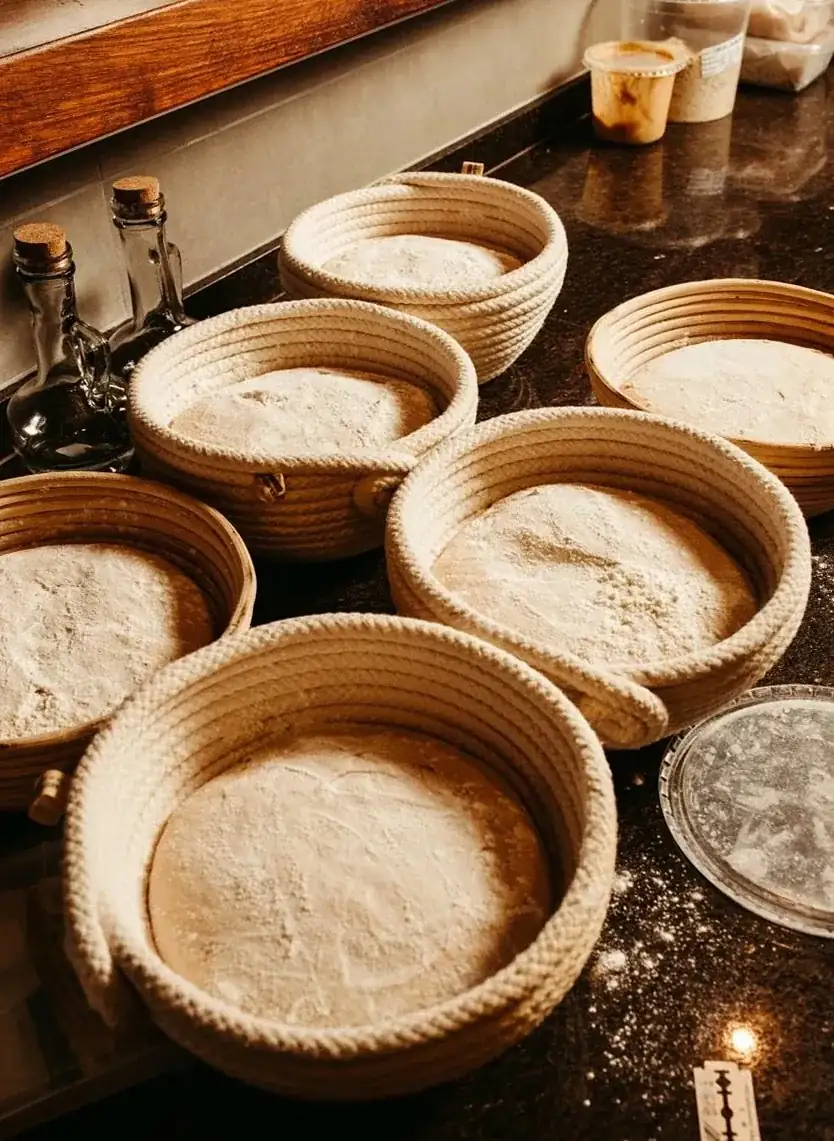
Chestnut flour has been used in bread and pasta in parts of Europe for centuries, but it is less common in Japanese baking. It has no gluten of its own, which means it must be blended with wheat flour to produce a dough that holds together. The ratio of chestnut to wheat determines not just the flavour but the entire handling character of the dough, and getting it wrong produces a loaf that is either too dense or too fragile to score.
What chestnut flour does to the dough
Chestnut flour absorbs water differently from wheat flour. It is more absorbent, which means a dough containing chestnut flour will feel stiffer than its hydration percentage suggests. If you are adapting a recipe that uses 75% hydration with all wheat flour, you may need to increase the water to 78 or 79% when substituting 20% of the wheat with chestnut flour, just to achieve the same dough consistency.
The starch in chestnut flour also gelatinises at a lower temperature than wheat starch, which affects how the crumb sets in the oven. Chestnut-flour loaves tend to have a slightly denser, more moist crumb than an equivalent all-wheat loaf, and they can appear underbaked even when the internal temperature is correct. A probe thermometer reading of 96°C at the centre is a reliable indicator that the loaf is done.
Finding chestnut flour in Japan
Chestnut flour (栗粉 or マロン粉) is available from specialty baking suppliers and some department store food halls in autumn. Quality varies considerably: flour made from dried and ground whole chestnuts has a more complex flavour than flour made from chestnut starch alone. Look for flour that lists chestnuts as the only ingredient.
Gifu prefecture, particularly the Ena district, produces chestnuts that are well regarded for their flavour. Flour made from Gifu chestnuts is available from some regional producers in autumn, though supply is limited and it tends to sell out by November.
A simple starting ratio
For a first attempt at chestnut sourdough, a 15% substitution (15g chestnut flour per 100g total flour) is a manageable starting point. The flavour contribution is noticeable but the dough still handles much like a standard wheat sourdough. At 20%, which is the ratio used in the Pixel Crown autumn loaf, the chestnut character is more pronounced and the dough requires a little more care during shaping. Above 25%, the dough becomes fragile and the loaf is difficult to score cleanly.
The Pixel Crown autumn chestnut and sesame loaf is available every Friday through November. If you want to try baking with chestnut flour at home, the notes from the kitchen section of the site has more detail on the testing process behind this year's recipe.