How to score sourdough bread and why it matters
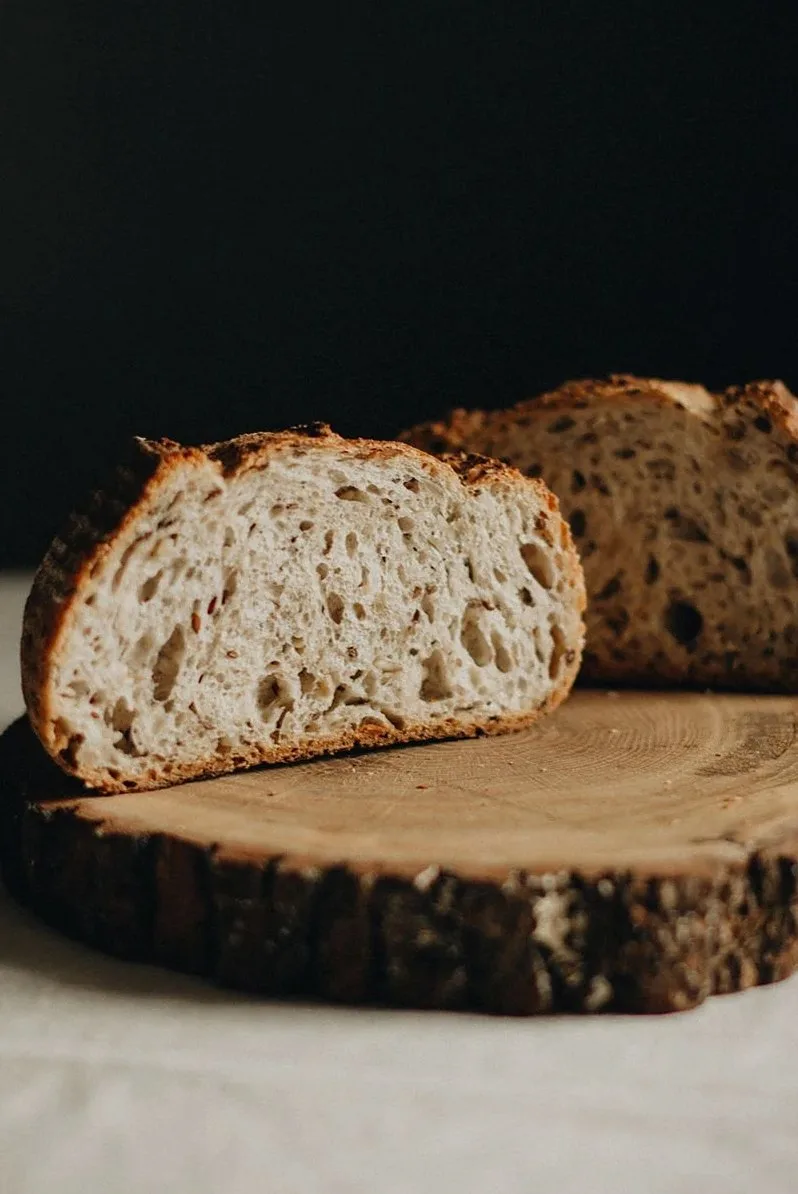
The score on a sourdough loaf is the last thing you do before the dough goes into the oven, and it has a direct effect on how the loaf opens, how the crust forms, and whether the crumb structure you built during fermentation survives the heat. It is also the step that most home bakers rush, usually because the dough is cold from the refrigerator and they are nervous about losing the shape.
What scoring actually does
When a loaf enters a hot oven, the yeast has one final burst of activity before the heat kills it. This is called oven spring, and it causes the dough to expand rapidly in the first 10 to 15 minutes of baking. If the surface of the loaf has no score, the dough will burst wherever the crust is weakest, usually at the seam or along the side. A deliberate score gives the expansion a controlled path, which is why a well-scored loaf opens cleanly along the cut rather than tearing randomly.
Blade angle and depth
The angle of the blade matters more than most beginners expect. A blade held perpendicular to the surface of the dough (90 degrees) produces a cut that opens symmetrically, like a split. A blade held at a shallow angle (around 30 degrees) produces an undercut that creates the distinctive ear, the raised flap of crust that peels back during baking. The ear is not purely aesthetic: it indicates that the score was deep enough and angled correctly to allow maximum oven spring.
Depth should be around 5 to 7 millimetres for a standard country loaf. Too shallow and the score seals shut before the loaf has fully expanded. Too deep and you deflate the gas structure you spent 48 hours building. A sharp blade, either a proper lame or a new razor blade, makes the difference between a clean cut and a dragged, torn surface.
Patterns and what they tell you
A single curved score along the length of a batard is the most reliable pattern for a beginner because it gives the loaf one clear direction to open. More complex patterns, crosses, wheat stalks, leaf designs, are possible but require a very well-fermented, well-tensioned dough. If the dough is slightly under-fermented or the surface tension is loose, a complex score will not open cleanly regardless of how carefully it is cut.
At Pixel Crown, the country loaf gets a single curved score and the seasonal loaves get a simple cross or a double score depending on the shape. The scoring pattern is consistent from week to week not for branding reasons but because consistency makes it easier to diagnose problems when a loaf does not open the way it should.
Scoring is one of the four techniques covered in the Pixel Crown baking workshop. Participants score their own shaped dough during the session and can ask questions about what went wrong with previous home bakes.